
Project Working Hand-in-Hand (W.H.Y.)
Youth Shaping the Fight Against Online Child Sexual Exploitation (OCSE)
What if the children and young people growing up in today’s digital world — especially those who have experienced online sexual exploitation — helped lead the way in making the internet safer for everyone?
We’re turning the traditional approach to child online safety on its head.
Introducing Project W.H.Y. — Canada’s first-ever, nationwide, youth-led policy accelerator bringing children, young people, and decision-makers together to tackle online child sexual exploitation (OCSE).
With Project W.H.Y., we aren’t simply asking children and youth about what they’re experiencing online. Instead, they’re identifying what’s not working, proposing solutions, working directly with decision-makers, and helping shape the priorities of the future of the fight to end the sexual exploitation of children!
Watch these influential leaders and experts share why young people’s perspectives are so important in the fight against OCSE
Every day, children and young people are navigating technologies, platforms, pressures, risks, and online behaviours that are constantly changing. They see and experience things differently than older generations and can challenge our assumptions. They notice nuances we don’t.
They’re also passionate, intelligent, innovative, creative, and tech-savvy and have ideas of their own to share with decision-makers.
That’s why Project W.H.Y. is creating a pathway for young people to bring their dynamism, experiences, perspectives, and ideas directly to the people developing the policies, programs, technologies, and responses intended to protect children — and see real action out of it.
SPONSOR A YOUNG PERSON →WHAT IS PROJECT W.H.Y.?
Project W.H.Y. is a pioneering, national youth-led initiative that brings young people and professionals in the fight against child sexual exploitation together to turn young people’s ideas on protecting children online into action — and hold decision-makers accountable for making change happen.
Children and young people ages 10–21 from across Canada — especially those who have experienced sexual exploitation or are more vulnerable to it — are coming together to tackle one critical question:
“What needs to change to better protect children from online sexual exploitation?”
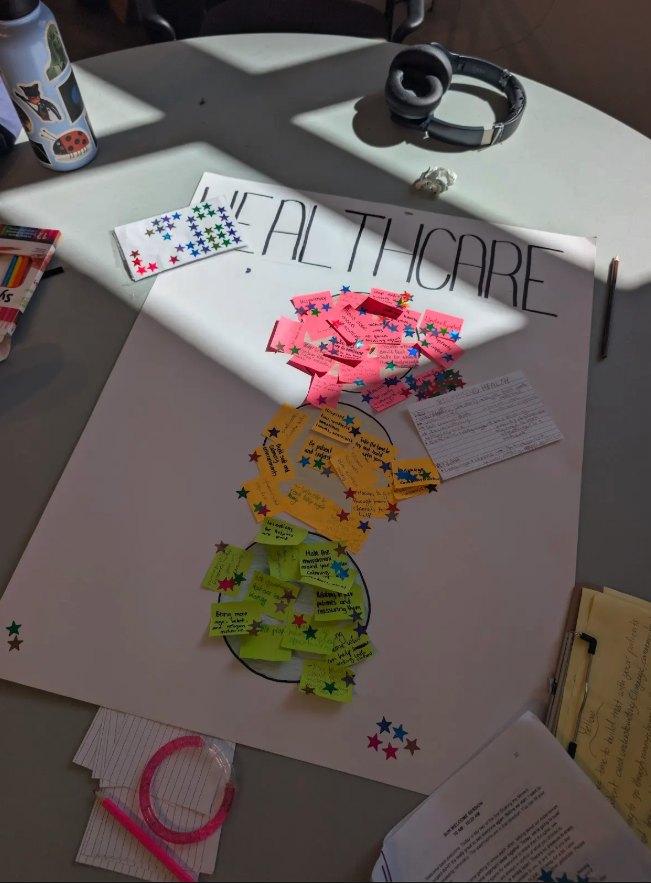
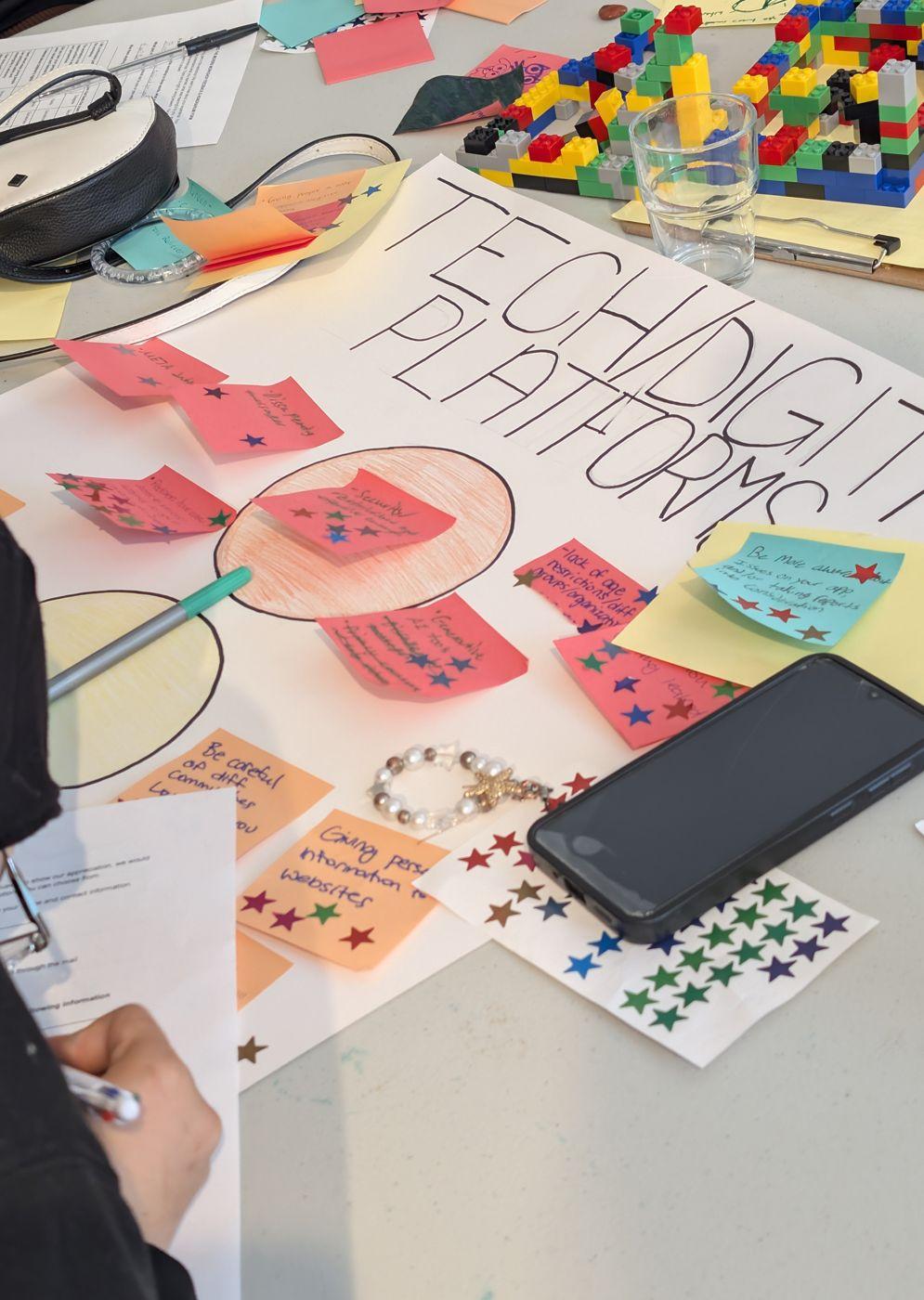
Through interactive workshops using art, play and discussion, young Canadians are identifying gaps, sharing their perspectives and experiences, and developing their own recommendations for change. They’ll then work alongside older generations — including adult survivor leaders and other experts, practitioners and decision-makers — to turn those recommendations into stronger laws, policies, national strategies and programs that prevent and respond to OCSE.
But participation doesn’t end when they share their ideas. Project W.H.Y. creates pathways for young Canadians’ recommendations to reach the people and institutions with the power to act on them, while giving them opportunities to advocate for their recommendations, track progress, and hold decision-makers accountable for moving their commitments from words into action.
Project W.H.Y. isn’t simply about giving young people a voice. It’s about young and older generations working together to co-lead change — and ensuring that what young people say leads somewhere.
LEARN HOW YOUTH BENEFIT →How Project W.H.Y. works to improve how Canada protects children
Shaking the Movers (STM)
Developed by Carleton University’s Landon Pearson Centre (LPC), STM is a youth-led, child rights-based workshop series. Project W.H.Y. is proud to collaborate with the LPC on a special STM series across Canada exploring the child’s right to protection from sexual exploitation and abuse under the UN Convention on the Rights of the Child.
Through in-person and online workshops for Indigenous, Anglophone and Francophone youth across Canada, young people will identify what is putting them at risk, where current responses are falling short, and what governments, technology companies, schools, organizations, families and communities should do differently.
Their recommendations will be captured in youth-authored reports and shared with leaders and professionals across justice, health, education, technology, child welfare and protection, and other sectors with the power to help drive change. Learn more.
WITH
How Project W.H.Y. works to improve how Canada protects children
Shaking the Movers (STM)
Developed by Carleton University’s Landon Pearson Centre (LPC), STM is a youth-led, child rights-based workshop series. Project W.H.Y. is proud to collaborate with the LPC on a special STM series across Canada exploring the child’s right to protection from sexual exploitation and abuse under the UN Convention on the Rights of the Child.
Through in-person and online workshops for Indigenous, Anglophone and Francophone youth across Canada, young people will identify what is putting them at risk, where current responses are falling short, and what governments, technology companies, schools, organizations, families and communities should do differently.
Their recommendations will be captured in youth-authored reports and shared with leaders and professionals across justice, health, education, technology, child welfare and protection, and other sectors with the power to help drive change. Learn more.
WITH
How Project W.H.Y. works to improve how Canada protects children
Youth-Created Questionnaires
Canadian children and youth who have experienced sexual exploitation or have heightened vulnerability, and are unable to participate in an STM workshop, can still share their ideas through questionnaires developed by youth, survivor leaders, and clinicians, sharing their perspectives and ideas for change.
How Project W.H.Y. works to improve how Canada protects children
Bringing Families Into the Conversation
In this in-person workshop, parents, caregivers, and trusted adults will learn about children’s rights, OCSE risks, online safety, and how to support young people who have experienced OCSE in a trauma-informed way. They’ll also explore the benefits of youth advocacy and how they can support their young person to speak up, advocate for change, and help build a safer future for Canada’s children. Learn more.
How Project W.H.Y. works to improve how Canada protects children
Learning to Partner Meaningfully With Young People
Inviting young people into the room is not enough.
Project W.H.Y. will equip professionals and organizations with training and tools to partner safely, ethically and meaningfully with children and youth — especially those with lived experience of sexual exploitation — and move beyond consultation toward genuine collaboration, influence, and shared action.
How Project W.H.Y. works to improve how Canada protects children
Bringing Young People and Decision-Makers Together
Decision-makers shouldn’t just talk about young people. They should work alongside them.
At the Project W.H.Y. Child–Adult Hybrid Summit in Toronto, young people will come face-to-face with leaders and decision-makers who have the power to create change. Together, they’ll spend the day examining youth-generated recommendations, identifying opportunities for action, making commitments, and co-creating concrete action plans to strengthen Canada’s response to OCSE.
How Project W.H.Y. works to improve how Canada protects children
Turning Ideas Into Action
With training and tools, youth will develop their action plans, build advocacy skills, and prepare to engage decision-makers, raise awareness, and move their recommendations from ideas into action.
How Project W.H.Y. works to improve how Canada protects children
Holding Decision-Makers Accountable
The work doesn’t stop after we bring young people and adults together.
Project W.H.Y. will support the development of a National Youth-Led Advocacy Network, connecting young people who want to continue pushing for change. Young advocates will have opportunities to gain further advocacy skills, engage decision-makers, advance recommendations and help track whether commitments made to young people are actually being acted upon.Learn more.
From Voice to Influence
Why Project W.H.Y. is different
Project W.H.Y. isn’t your average youth consultation.
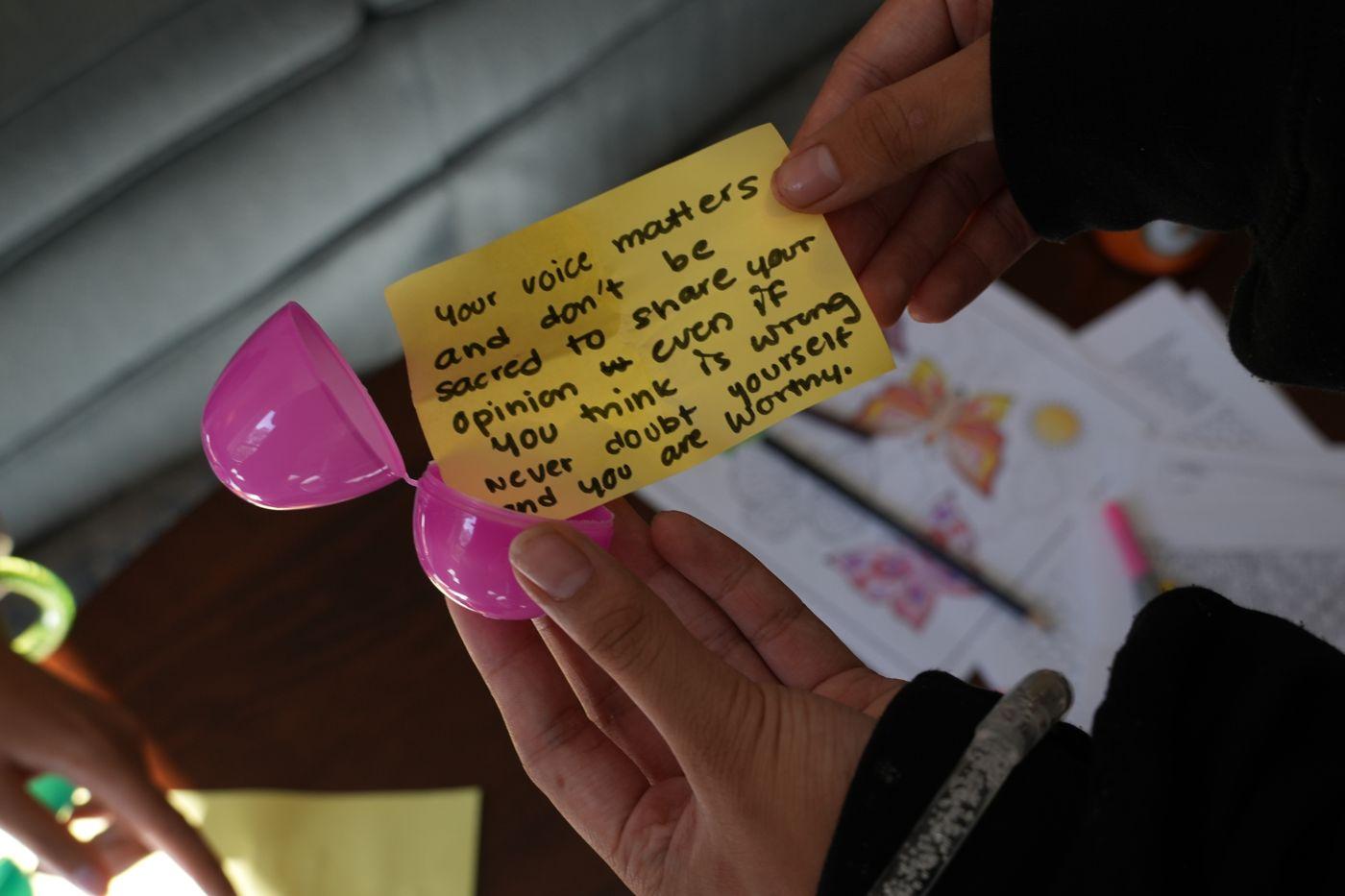
Project W.H.Y. is co-designed with children and youth as equal contributors, valuing and compensating them for the expertise, time, ideas and lived experiences they’re bringing to the project.
Why Project W.H.Y. is different
Project W.H.Y. isn’t your average youth consultation.
Project W.H.Y. is co-designed with children and youth as equal contributors, valuing and compensating them for the expertise, time, ideas and lived experiences they’re bringing to the project.
Why Project W.H.Y. is different
Project W.H.Y. isn’t your average youth consultation.
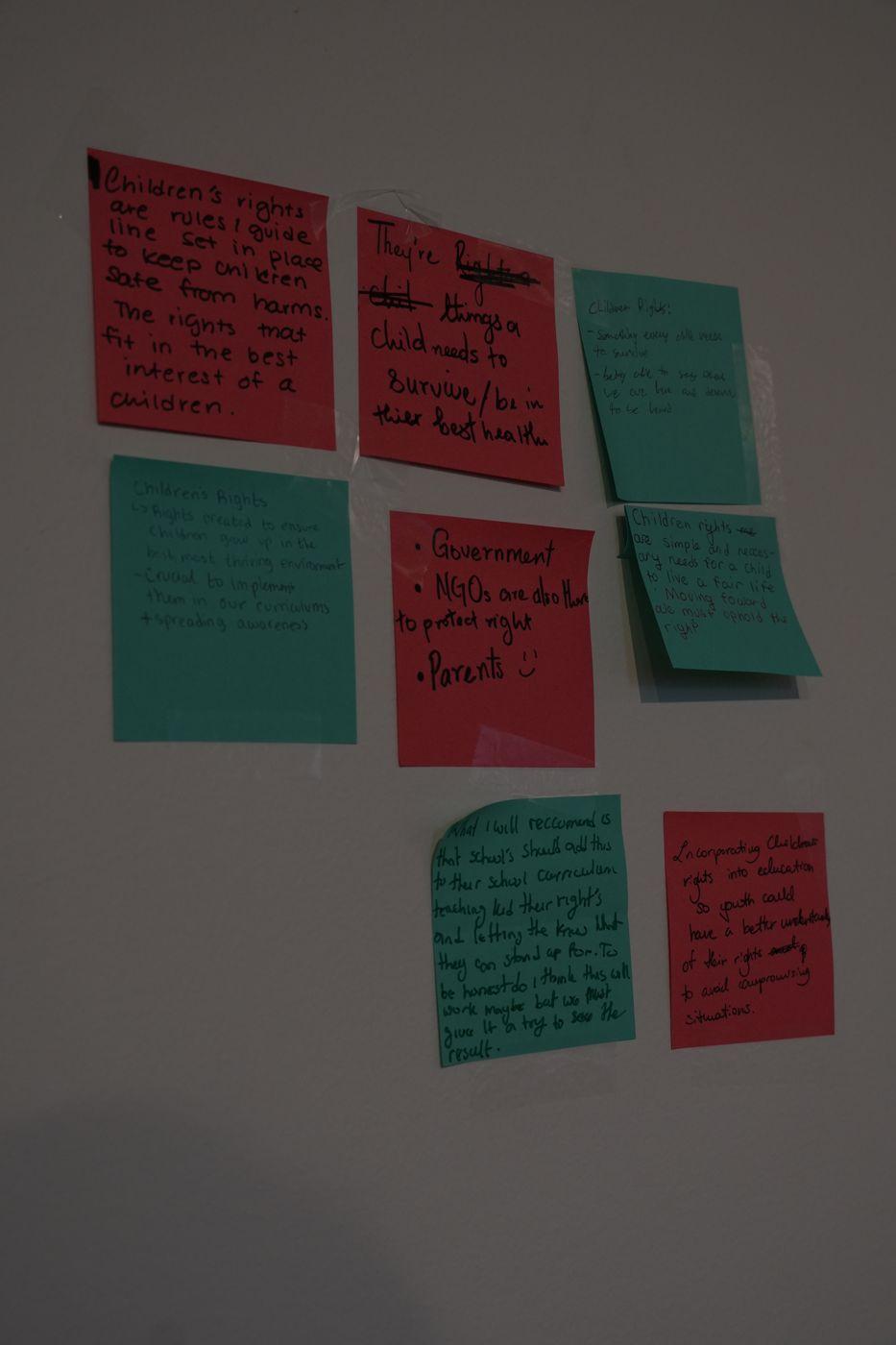
Project W.H.Y. is grounded in the UN Convention on the Rights of the Child. These rights guide how young people participate, how decisions are made, and how their recommendations are carried forward.
Why Project W.H.Y. is different
Project W.H.Y. isn’t your average youth consultation.
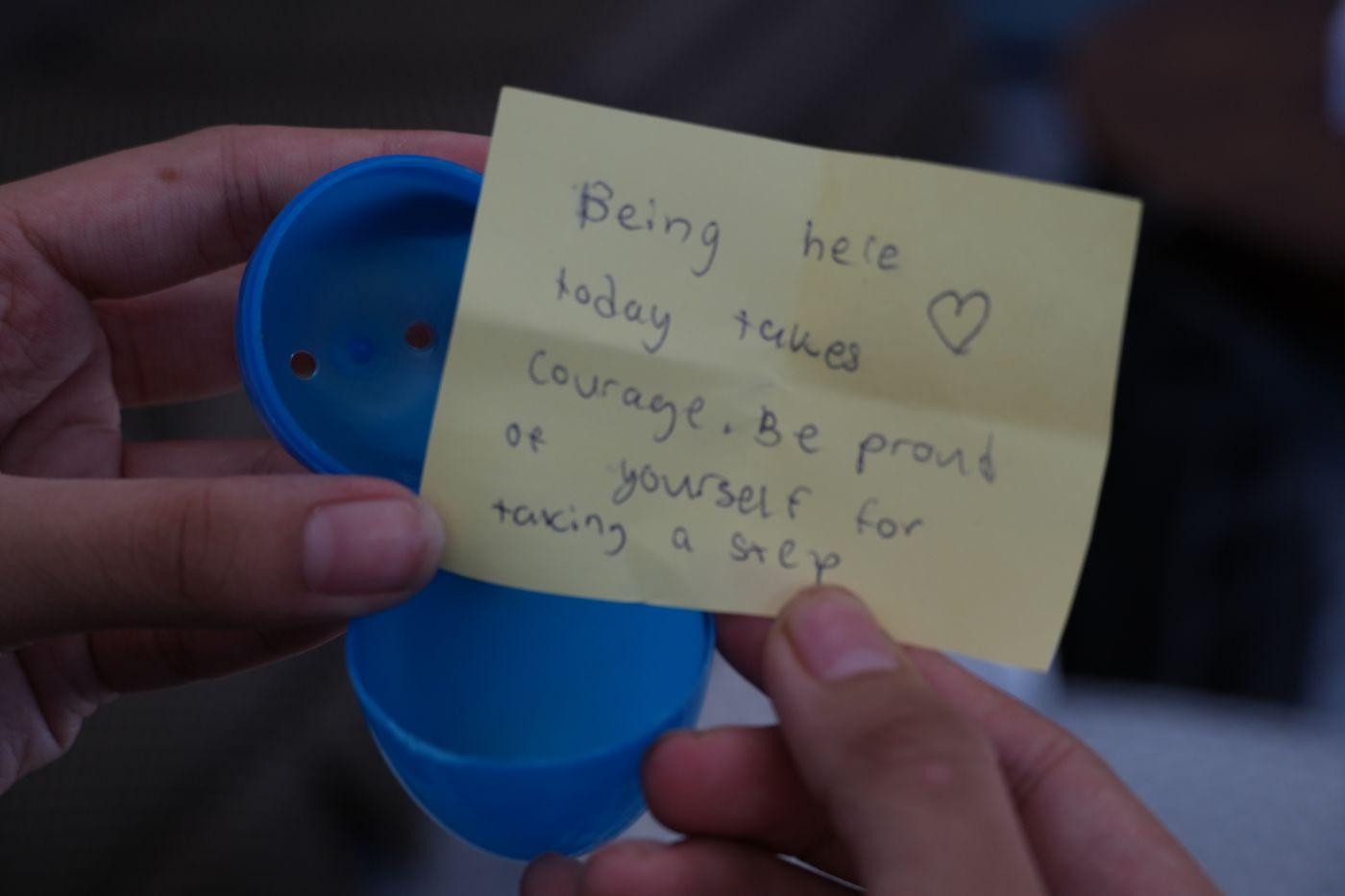
Project W.H.Y. elevates the voices of children and young people who have experienced sexual exploitation, as well as those who face heightened vulnerabilities to exploitation.
Why Project W.H.Y. is different
Project W.H.Y. isn’t your average youth consultation.
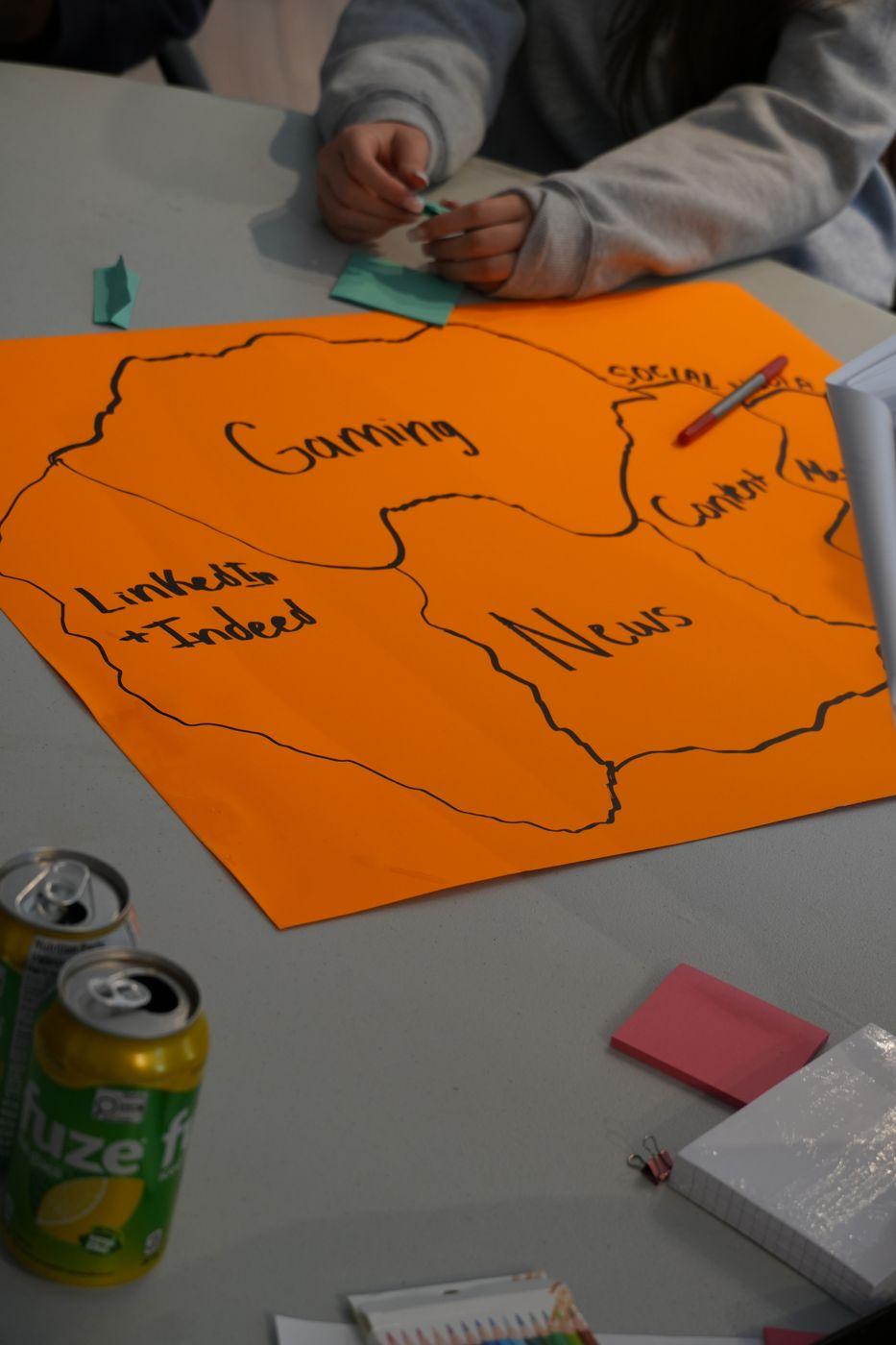
Project W.H.Y. recognizes children and youth who have experienced sexual exploitation not simply for what they have been through, but for their strengths, knowledge, ideas and leadership.
Why Project W.H.Y. is different
Project W.H.Y. isn’t your average youth consultation.
Discussing sexual exploitation requires care. Safeguarding, trauma-informed practices and appropriate supports are integrated into how young people participate. Learn more.
Why Project W.H.Y. is different
Project W.H.Y. isn’t your average youth consultation.
The project seeks perspectives from children and youth across Canada, with particular attention to those whose experiences and perspectives are too often excluded.
Why Project W.H.Y. is different
Project W.H.Y. isn’t your average youth consultation.
Project W.H.Y. brings together generations of expertise to listen, plan, and act together.
Why Project W.H.Y. is different
Project W.H.Y. isn’t your average youth consultation.
Project W.H.Y. directly connects young people with the people and institutions capable of turning recommendations into action.
Why Project W.H.Y. is different
Project W.H.Y. isn’t your average youth consultation.
Rather than ending with a report, Project W.H.Y. creates opportunities for young people to continue advocating for their recommendations and following up on what happens next.
Why Project W.H.Y. is different
Project W.H.Y. isn’t your average youth consultation.
What could young people help change?
Technology designed with children’s safety in mind.
Better prevention and awareness-raising.
Greater accountability for perpetrators, and prevention of re-perpetration.
Greater responsibility from technology companies.
Better support for children who have experienced sexual exploitation.
Policies and programs that reflect how children actually experience the digital world.
And solutions older generations may not have thought of yet.
That is why we are asking young people.
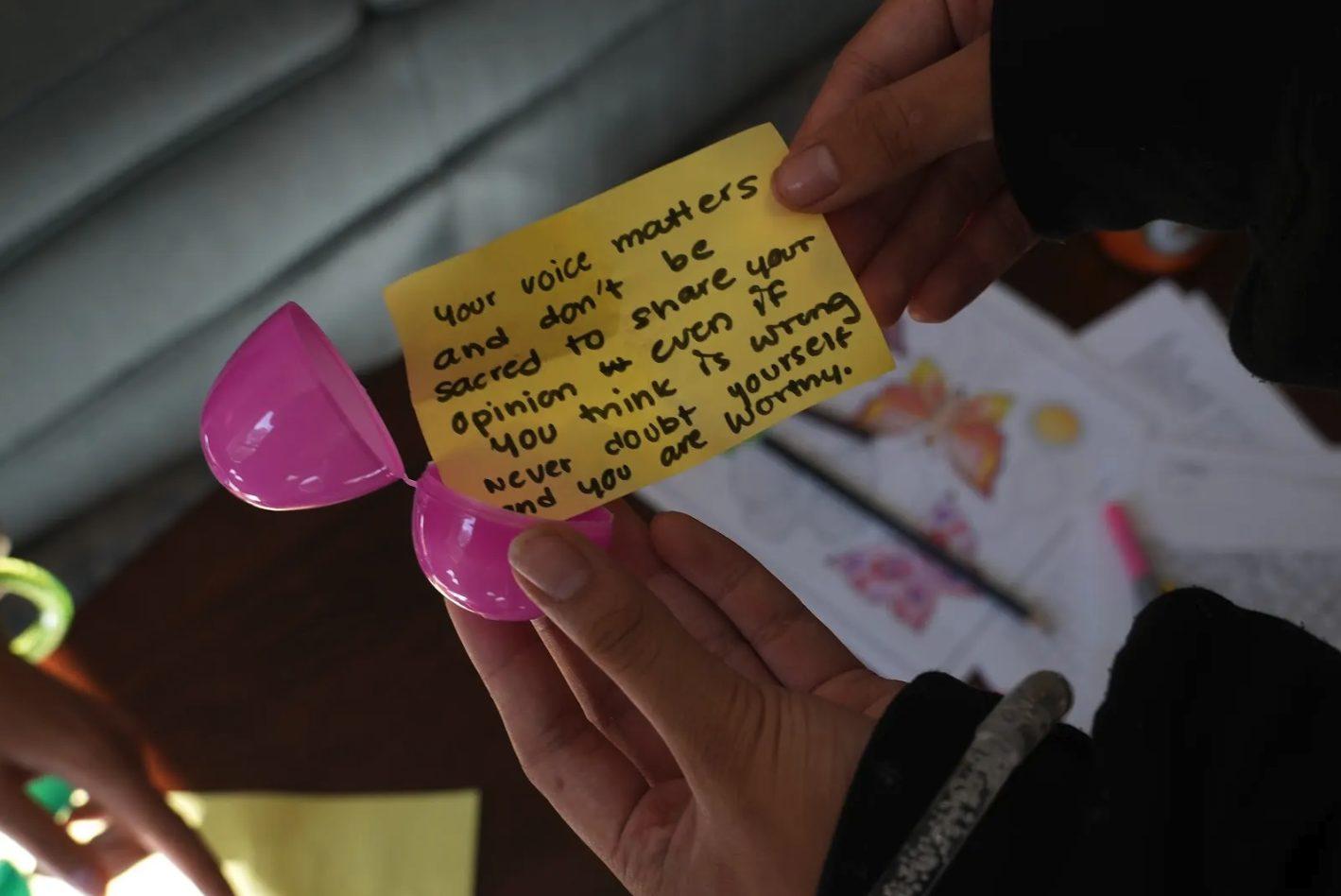
Young people have ideas worth acting on.
Project W.H.Y. brings Article 12 of the United Nations Convention on the Rights of the Child — children’s right to have a say in matters affecting them — together with Article 34 — their right to be protected from sexual exploitation.
For OneChild, those rights belong together.
Children should be protected.
And they should have a meaningful role in determining how we protect them.
Project W.H.Y. kicks off in Toronto with Shaking the Movers!
Stay tuned for the youth-drafted report containing the children’s recommendations!
Project W.H.Y. officially kicked off with our first youth-led Shaking the Movers workshop in Toronto, co-hosted with Carleton University’s Landon Pearson Centre. The workshop brought together 25 young people aged 13–18, including youth with lived experience of sexual exploitation and those facing heightened vulnerability.
Through arts, games, play, movement, and discussion, participants explored the challenges of OCSE, shared their perspectives, identified priorities, and developed recommendations to strengthen prevention and response efforts.
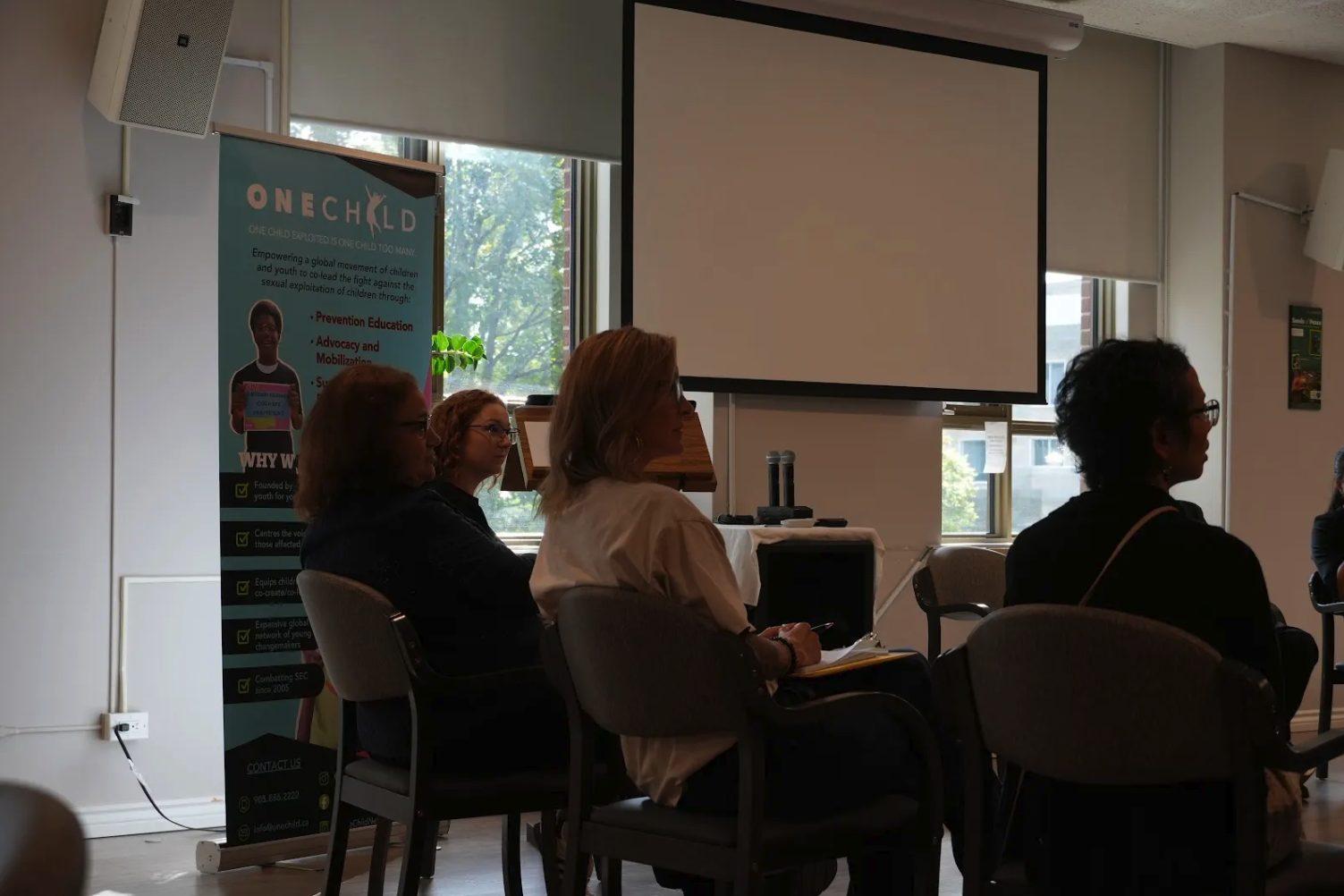
Parallel to the youth workshop, we also held a special session for Parents, Caregivers and Trusted Adults which brought together 12 individuals. The group learned about children’s rights from Dr. Virginia Caputo, explored the risks online and how to have preventative conversations with children with the help of survivor leader Kaitlin Bick and caseworker Ena Lee, and heard from Sage, a 16-year-old OneChild member and Founder of OshkiABA and the SOURCE Project, which brings culturally-sensitive prevention education on online safety to Indigenous communities. Sage was joined by his father Darren, who spoke about his relationship with his son and the support he’s given for Sage’s advocacy as a young person.
Creating a safe, welcoming, fun, and trauma-informed environment was a priority throughout.
We are especially grateful to Victim Services Toronto for providing training to our youth facilitators, and to Trillium Health Partners – Chantel’s Place and Covenant House for generously providing on-site trauma-informed support. We also extend our heartfelt thanks to the Mary Ward Centre for providing the venue, and to the organizations that helped support self-care swag bags for participants and facilitators, including Kits for a Cause, STRIDES, Victim Services Durham, and Aura Freedom.
Young people are ready to help shape the future of online safety.
Are we ready to listen — and act?
TAKE ACTION TODAY ↓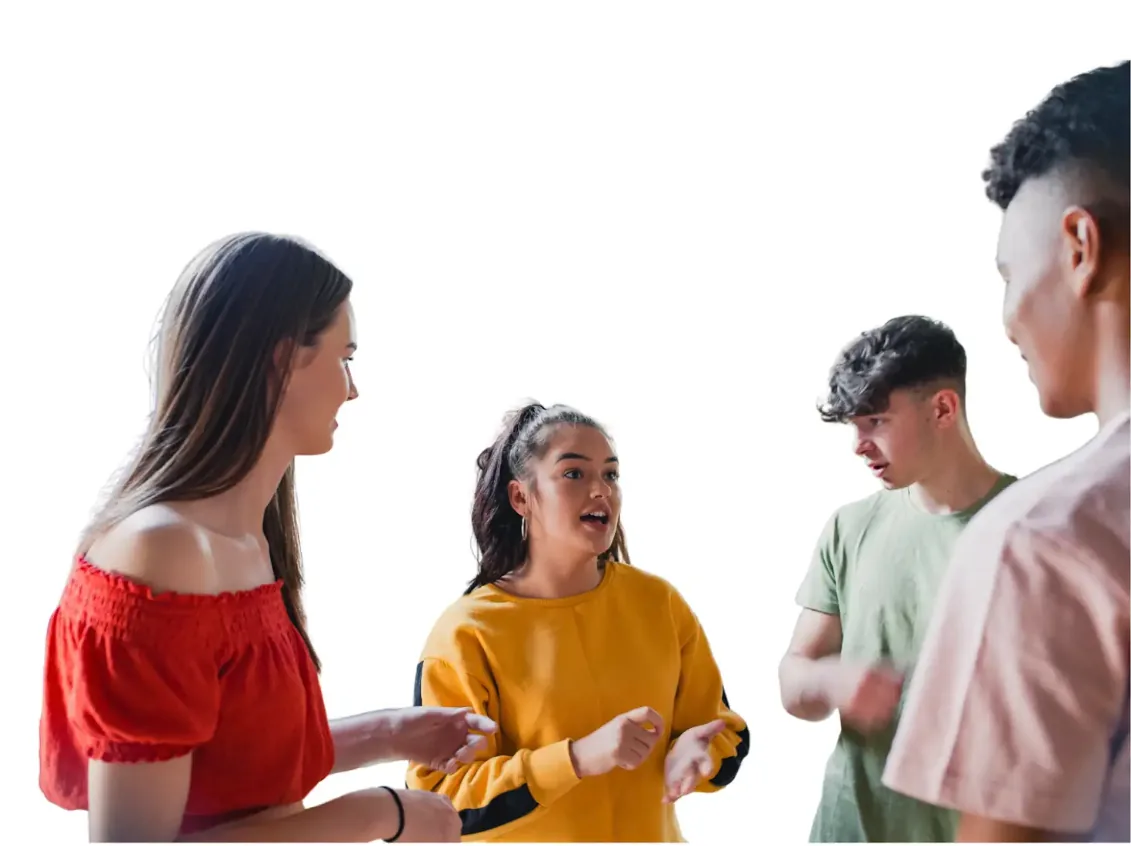
Share Project W.H.Y. with a Young Person
Know a young Canadian aged 10–21 who wants to make a difference in the fight against OCSE? They can register for an STM workshop.
REGISTER →Sign Up for Project W.H.Y. Updates!
Learn about upcoming opportunities and get access to resources.
SIGN UP →